
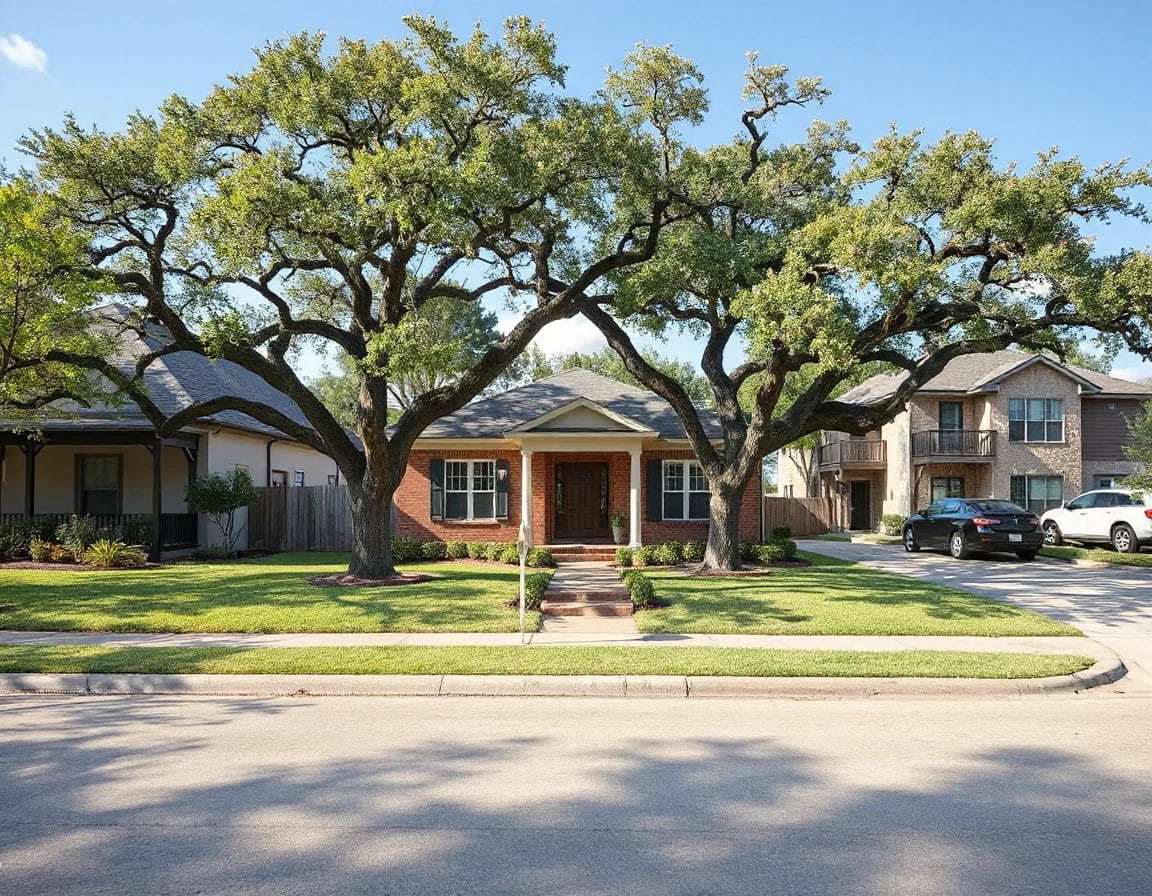
Price per square foot can be a useful starting point, but it is rarely the full story in Houston’s Inner Loop. A home’s value is shaped by its exact block, lot, condition, layout, renovation quality, and the buyers competing for similar properties right now. Reading those signals together can lead to a more confident pricing or offer strategy.
Why the Simple Math Can Mislead
Dividing a list price by square footage produces a clean, easy number. That convenience is exactly why price per square foot gets so much attention. Yet in the Inner Loop, where homes can vary dramatically within a few blocks, that number is better treated as a conversation starter than a conclusion. A renovated bungalow, a newer custom build, a townhome, and a home on a larger lot may all appear in the same search results, even though buyers evaluate them very differently.
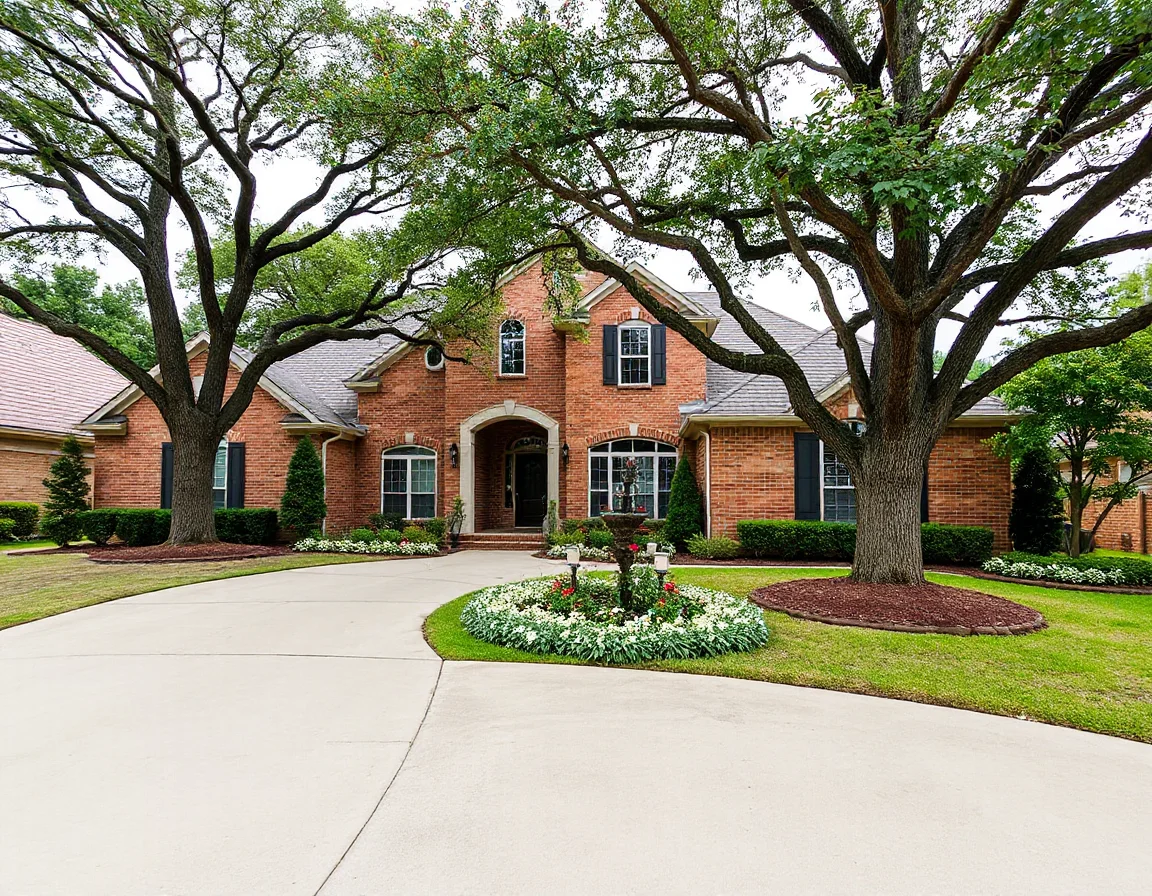
Square footage itself is not always measured or marketed in identical ways. Public records, appraisals, builder plans, enclosed porches, garage conversions, and additions can all create differences that deserve a closer look. Two homes listed at similar sizes may have very different usable space, ceiling heights, storage, room proportions, and natural light. Those details often influence demand more than a small numerical difference in total area.
Location is equally granular. Buyers may assign different value to a corner lot, a low-traffic street, proximity to a major thoroughfare, access to green space, or a property’s position within a particular micro-market. These are not broad neighborhood labels; they are practical, property-specific considerations that shape how a home feels during a showing and how it compares with current alternatives.
A $25-per-square-foot gap does not automatically signal a bargain or an overpayment. In the Inner Loop, that difference may reflect lot size, construction quality, updates, parking, outdoor space, or a distinct set of comparable sales.
For sellers, relying too heavily on a neighborhood average can create a price that misses the market in either direction. For buyers, it can lead to overlooking a home with stronger long-term features simply because its headline metric appears higher. The more useful question is: what does this property offer relative to the homes a buyer can choose from today?
Start With Truly Comparable Homes
A sound valuation begins with recent closed sales, but not every nearby sale belongs in the same comparison set. The strongest comparables generally share a similar property type, construction era, lot profile, living area range, condition, and location context. A detached home and a townhome may have similar square footage, for example, while commanding different values because of land ownership, maintenance responsibilities, privacy, parking configuration, or outdoor living space.
Timing matters as well. A sale from several months ago may still be relevant, but it should be read alongside newer pending and active listings. Closed sales show where the market has agreed on value. Pending listings can indicate where current negotiations are landing, while active listings reveal the alternatives buyers are considering right now. Looking at all three creates a more complete picture than relying on a single past transaction.
Condition should be evaluated with precision. “Updated” can mean anything from new lighting and paint to a full renovation involving plumbing, electrical, windows, insulation, roofing, and major systems. Design choices can affect appeal, but functional upgrades often matter just as much when buyers compare the cost and disruption of future work. A well-maintained original home may compete differently from a recently renovated property, even if the two have nearly identical measurements.
Lot value also deserves its own analysis. In many Inner Loop areas, the land component can be significant, particularly where redevelopment activity is common. Frontage, depth, orientation, tree coverage, utility placement, easements, flood history, and the ability to add or reconfigure improvements can all influence market response. A per-square-foot calculation based only on indoor living area may not capture those factors.
Look for the Features That Change Buyer Demand
Homes do not compete on bedrooms and bathrooms alone. The most persuasive value signals are often found in the daily experience of the property: a functional kitchen layout, an office or flexible room, a practical laundry area, ample storage, a usable yard or patio, garage access, and a floor plan that flows naturally from one space to the next. These features are difficult to reduce to a single formula, but they can strongly affect showing activity and offers.
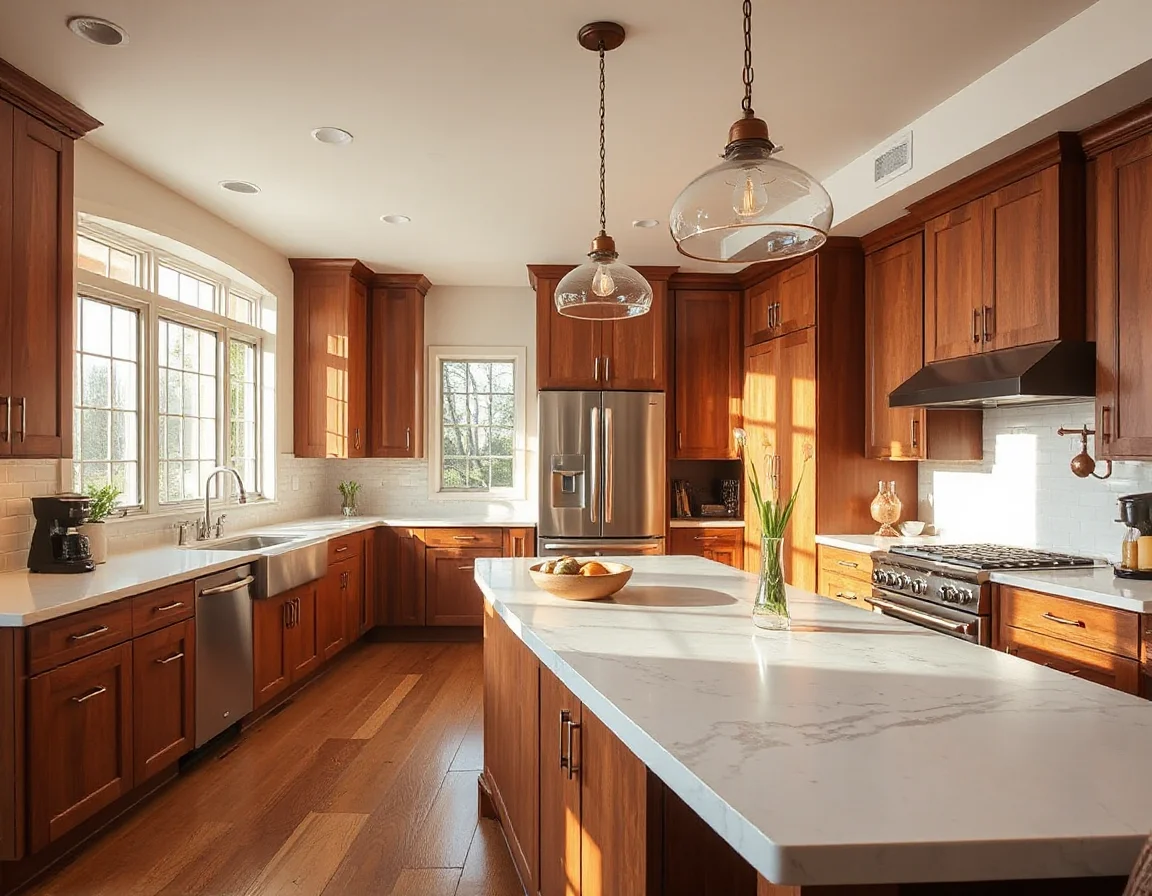
Construction quality and maintenance tell an important story, too. Buyers often notice the condition of windows, doors, millwork, flooring transitions, cabinetry, drainage, HVAC equipment, and exterior materials during a visit. These observations do not replace a professional inspection, but they help explain why one similarly sized property attracts more attention than another. A home that appears cared for can reduce uncertainty for a prospective buyer, while deferred maintenance may narrow the price range buyers are willing to consider.
Parking and access are particularly relevant in dense urban settings. Driveway configuration, alley access, garage size, guest parking, and ease of entering the property can influence convenience in a way that online data does not fully capture. The same is true of outdoor areas: a compact but well-designed patio may add more practical appeal than a larger space with limited usability or high maintenance needs.
For properties near parks, trails, cultural venues, employment centers, and major transportation routes, it is useful to consider both convenience and the property’s immediate setting. The goal is not to make assumptions about any buyer, but to understand the tangible features that may shape demand: travel patterns, street activity, views, noise exposure, and access to everyday destinations.
The most reliable comparison is often a “showing comparison,” not a spreadsheet comparison: what would a buyer notice after touring this home and the three closest alternatives in the same afternoon?
Read List Price, Days on Market, and Negotiation Clues Together
List price is a strategy, not a verdict. Some homes enter the market at a carefully supported price designed to meet existing demand; others are positioned above recent comparable sales to test the market. A property’s days on market, price changes, return to market history, and any changes in presentation can add context. None of these signals should be interpreted alone, but together they can indicate whether the original positioning aligned with buyer response.
It is also worth watching the difference between asking prices and closed prices across a group of comparable homes. If well-prepared properties are moving quickly near their list prices while similar listings remain available after multiple reductions, the market may be rewarding condition, presentation, and accurate initial pricing. That pattern can help sellers set realistic expectations and help buyers structure offers grounded in current competition rather than outdated assumptions.
Presentation affects this process more than many owners expect. Professional photography, a clean exterior, accurate property details, thoughtful staging, and a clear explanation of upgrades help buyers understand value before they arrive. These do not substitute for the property itself, but they can ensure its strongest features are visible in a crowded online search environment.
Build a Value Range, Not a Single Magic Number
The best pricing analysis usually ends with a range supported by evidence rather than one supposedly exact figure. Within that range, the appropriate strategy depends on the property’s condition, timing, competition, seller priorities, financing considerations, and the level of buyer activity. A well-supported range gives room to make decisions without pretending that the market is perfectly mechanical.
For buyers, a value range can clarify where to focus due diligence and how to separate a compelling home from a merely average one. For sellers, it can guide improvements, listing preparation, and a launch plan that reflects current alternatives. The most useful analysis combines recent transactions with a close reading of the home itself—its land, layout, maintenance, finish level, and place within the Inner Loop’s constantly changing inventory.
Price per square foot is a useful data point. Context is what turns it into insight. A detailed, property-specific review helps reveal the signals that a broad average leaves behind and creates a stronger foundation for the next real estate decision.