

A Memorial home can look compelling in listing photos, but the most useful information often appears between Friday evening and Sunday afternoon. A purposeful weekend visit can reveal traffic rhythms, outdoor spaces, everyday errand routes, and the details that help a property fit the way you actually live. Use these six clues to look beyond the front door before making an offer.
Why a Weekend Visit Adds Context
Memorial offers a broad mix of established residential streets, parks, retail corridors, major road connections, and housing styles that range from mid-century residences to recently rebuilt homes. Because each pocket can feel different from the next, a weekend test drive is less about judging a neighborhood in one pass and more about gathering practical information. Visit at more than one time of day, bring a short list of questions, and let the route reveal how the location functions when people are running errands, using trails, and moving through the area.
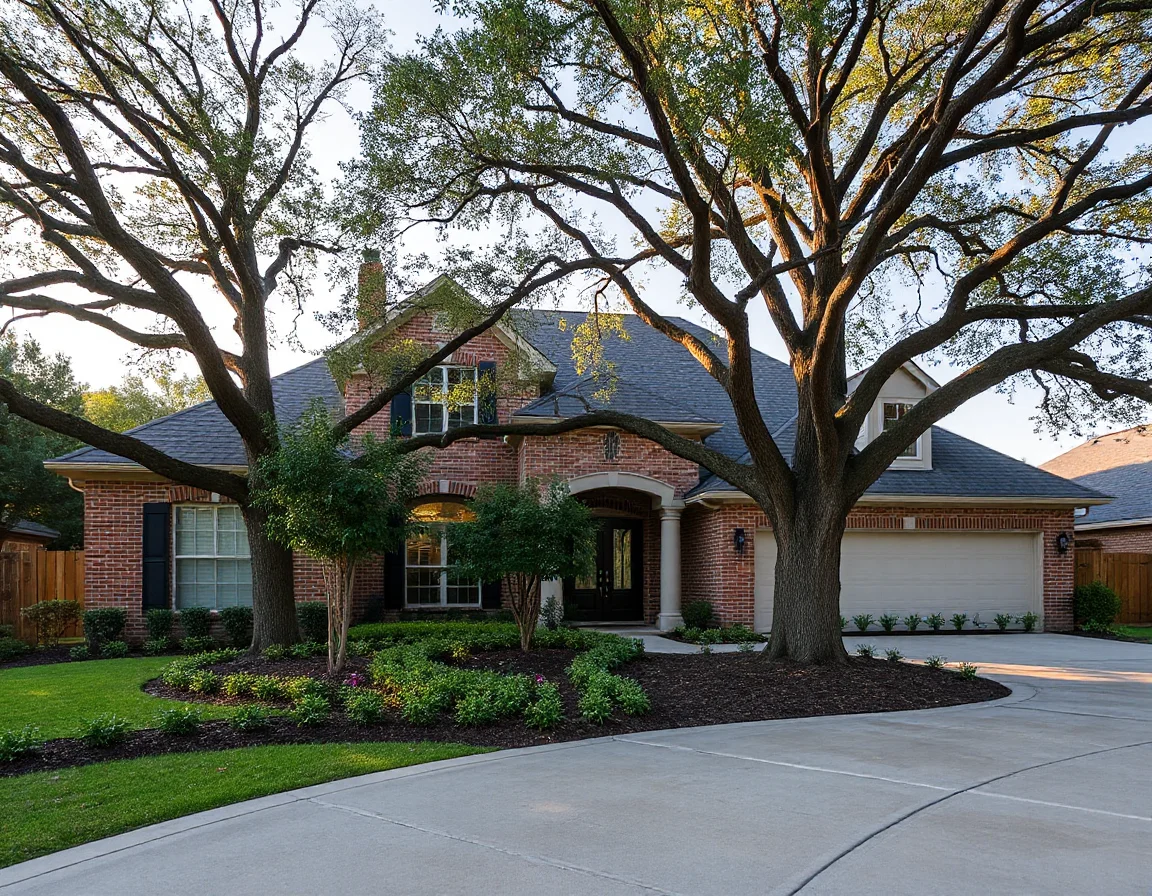
Clue one: arrive at different hours. A Saturday morning drive can show you how long it takes to reach grocery options, fitness facilities, parks, and major routes. Return during an early-evening window to observe lighting, driveway activity, nearby traffic patterns, and the pace of the street. Neither visit tells the whole story on its own, but together they offer a more realistic sense of daily movement than a single showing appointment.
Clue two: test the routes that matter to you. Use navigation for the drives you expect to make regularly, whether that means reaching the Energy Corridor, the Inner Loop, central Houston, Bush Intercontinental Airport, or a preferred destination elsewhere in the region. Check more than one route, especially near major corridors such as Memorial Drive, Beltway 8, Interstate 10, and North Eldridge Parkway. Construction, weather, and time of day can all affect the experience, so treat a quoted travel time as a starting point rather than a promise.
A listing’s location pin is only the beginning. A 20-minute drive through the actual routes you would use can be more informative than an hour spent comparing map distances.
While you are out, notice the transitions between larger roads and residential streets. Consider where guests might arrive, where deliveries may stop, and how you would enter or leave the area during a busy part of the day. These are small operational details, but they become part of a home’s routine long after the closing documents are signed.
Look for the Everyday Amenity Pattern
Clue three: spend time outdoors nearby. Memorial’s access to green space is one of its defining location features, with areas near Buffalo Bayou, Memorial Park, Terry Hershey Park, and neighborhood greenbelts offering different types of trails and open space. A short walk or drive helps you assess practical details: trail access points, available parking, shade, path surfaces, drainage after rain, and the distance from the home to the amenities you are most likely to use.

Houston weather makes this inspection especially useful. Notice how much shade is available, whether sidewalks connect naturally to the property, and how the area feels after a typical rainstorm if conditions allow. For homes near waterways or drainage features, ask for property-specific documentation, review available floodplain information, and discuss insurance considerations with qualified professionals. Broad area descriptions cannot replace due diligence on a particular address.
Clue four: make one ordinary errand run. Instead of simply driving past a retail center, stop for a practical purchase or a quick meal. This is an easy way to understand parking, access points, turn lanes, and the convenience of the nearby services you value. Memorial includes established commercial hubs and quick connections toward CityCentre, the Galleria area, and West Houston, but the best fit depends on the places and routes that matter most to your own schedule.
Take note of the property’s immediate setting as well. Mature trees and larger lots can be appealing features, yet they also invite useful questions about irrigation, drainage, exterior maintenance, roof access, and landscape care. A careful buyer distinguishes between a beautiful first impression and the ongoing systems required to maintain it.
In Houston, shade, drainage, and route access are not background details. They can shape outdoor use, maintenance planning, insurance research, and the feel of a normal weekday.
Explore Memorial area information
Read the Property Beyond the Listing Photos
Clue five: inspect the home’s relationship to its lot. During a weekend revisit, stand in the driveway, walk the perimeter where access is appropriate, and look from the yard back toward the house. Consider sun exposure, the location of outdoor living areas, window orientation, usable lawn or garden space, and the relationship to adjacent structures. If the property has a pool, outdoor kitchen, detached garage, or large covered patio, think through how those elements will be used and maintained across Houston’s changing seasons.
Also look for signs that the home has evolved over time. Memorial includes properties from several eras, and renovations can range from cosmetic updates to substantial reconfigurations. Ask for permits, seller disclosures, roof age, foundation information when available, and records for significant improvements. A licensed inspector can evaluate visible conditions, while specialists may be appropriate for systems or concerns identified during the inspection period.
Clue six: confirm the details that affect ownership. Before you decide that a location works, review the applicable deed restrictions, homeowners association documents if relevant, tax information, utility providers, and any planned public projects that may affect access or nearby infrastructure. If school attendance boundaries are part of your research, verify current information directly with the appropriate district because boundaries, programs, and transportation details can change.
It is also wise to compare the home against recent local sales with similar construction, lot characteristics, condition, and location. Memorial’s housing market is not one uniform category: value can vary significantly based on street placement, renovation level, lot size, architecture, and proximity to major corridors or green space. A data-driven review helps separate a headline list price from the property-specific factors behind it.
Turn Observations Into a Better Decision
A weekend test drive should leave you with notes, not just impressions. Write down what you observed at each time of day, compare the routes you tested, and list any documents or professional opinions you still need. Then revisit the home with those questions in mind. This process can be especially helpful when evaluating a property with distinctive landscaping, a busy nearby corridor, an extensive renovation history, or an outdoor setting that deserves a closer look.
Memorial rewards buyers who take the time to study both the residence and its surroundings. When you combine an informed weekend visit with property records, inspection guidance, current market data, and clear priorities, you can move forward with a more complete view of what you are buying—not only a house, but the daily patterns that come with its location.